The Complexity of Anxiety: The Mind’s Vicious Cycle
Roger Mckeever | JUN 30, 2024
psychology
anxiety
mindfulness
control
caregiving
exhaustion
poetry
rilke
be here now
now this
panther
The Complexity of Anxiety: The Mind’s Vicious Cycle
Roger Mckeever | JUN 30, 2024
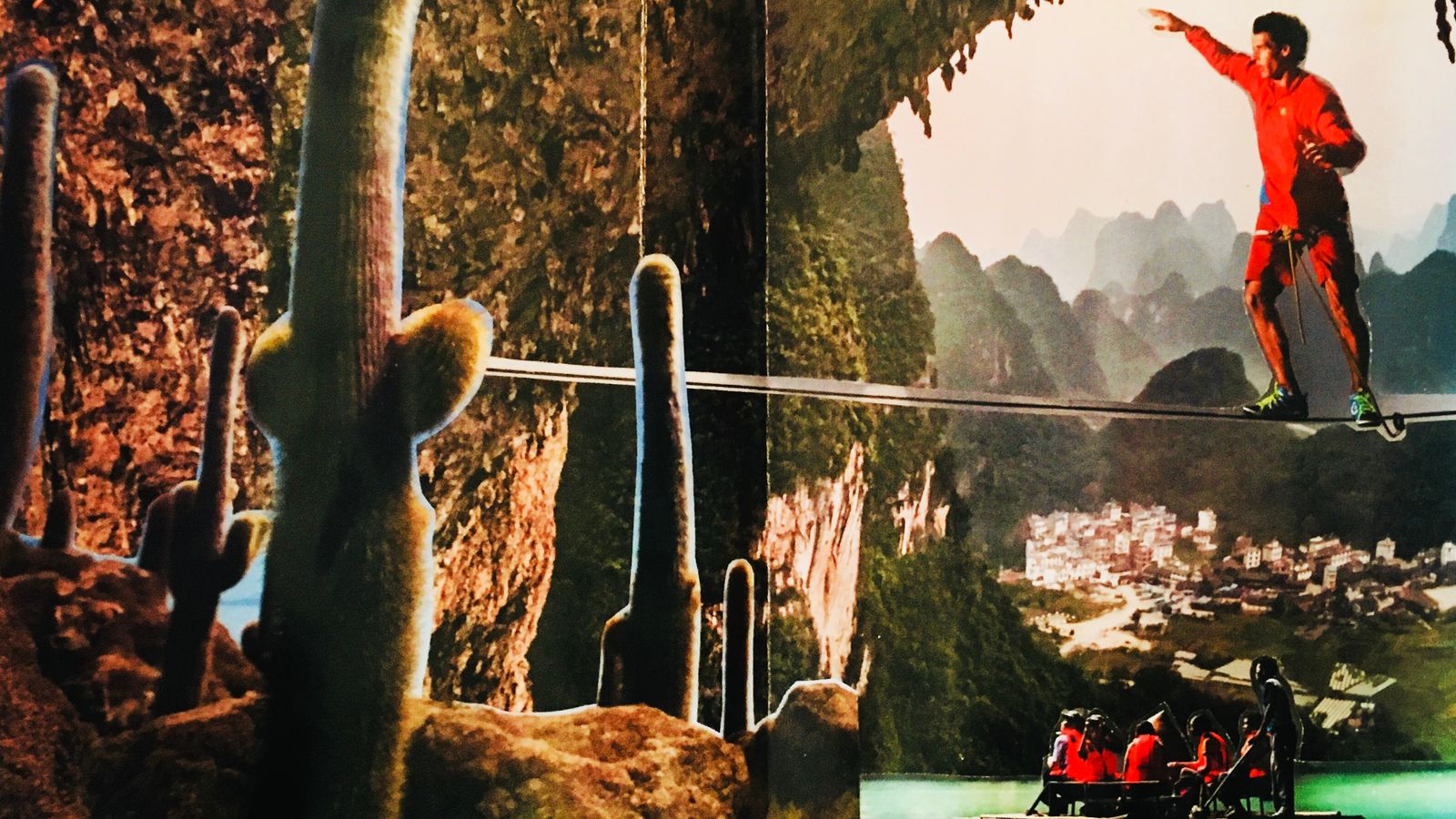
In a recent heartfelt conversation with a close friend, she empathetically acknowledged the struggles I'm facing in my life, encapsulating it with the words "anxiety and powerlessness." It resonated deeply with me because it perfectly mirrored my own feelings. I've been wrestling with a suffocating sense of dread and uncertainty, which has spiraled me into an unrelenting cycle of distress and despair.
Anxiety is a compound experience that affects millions of people worldwide. It manifests in various forms and intensities, often leaving those who suffer from it feeling overwhelmed and misunderstood. For me, the challenges are multifaceted—from the responsibilities of being a full-time caregiver for my parents to financial strains, political unrest, the Israel-Palestine conflict, and the existential weight of being a conscientious and sensitive individual in this world. Coupled with a sense of powerlessness, these burdens become even more overwhelming, leaving me feeling powerless against external forces beyond my control and unable to shape the trajectory of my own life.
The loss of agency has left me unsettled, fueling helplessness, despair, and a lack of motivation, with each decision seeming burdened with potential failure. Anxiety and powerlessness have clouded my thoughts with irrational fears and hopelessness. Though fleeting inspiration arises, it fades amidst daunting challenges, like navigating the bureaucratic hurdles to get Medicaid for my parents, sustaining myself financially in a remote area, and confronting issues like climate change, inflation, and the disintegration of democracy.
The mind often enters a vicious cycle when we are overwhelmed with anxiety. It traps us in a cycle of worry, fear, and physical symptoms. Our minds fixate on potential threats or negative outcomes, amplifying our distress and leading to more anxiety. This cycle is self-perpetuating, as the more we try to control our anxiety—by avoiding triggers or ruminating on our fears—the worse it becomes. Efforts to suppress anxiety can paradoxically heighten our awareness of it, exacerbating the problem.
Consequently, my social life has dwindled to almost nothing because, by the end of each day, I’m depleted and exhausted. This isolation has led to a lingering sense of loneliness that follows me throughout my days. However, the energy required to reach out to others seems beyond my grasp.
There’s a poem by the German poet Rainer Maria Rilke, “The Panther,” (see below) that demonstrates the feeling and experience I am having. It’s an exploration of captivity, existential anguish, and the yearning for freedom. The poem depicts the image of a caged panther pacing back and forth in its enclosure, its movements reduced to mechanical repetition. Rilke describes the panther's eyes, which have grown accustomed to the bars of its cage, conveying a sense of resignation and despair.
Oddly, this poem provides me with solace and reassurance as I confront my own circumstances, which often seem confining. I navigate through my daily routines, repeating the same actions day in and day out. Some liken it to the simple tasks of "chop wood, carry water," but that analogy feels too poetic and spiritual for the overwhelmingly ordinary nature of my current life.
I don’t have any insightful conclusion to this narrative; I'm living it in the present moment. Lately, my mantra has been "now this." I pick up groceries, cook dinner, accompany my parents to appointments, make popcorn, listen to my dad's repetitive stories, brush my teeth. It's the hardest thing I’ve ever done in my life, yet within me lies a realization: this is also the most significant work of my life.
The Panther
Rainer Maria Rilke
His vision, from the constantly passing bars,
has grown so weary that it cannot hold
anything else. It seems to him there are
a thousand bars; and behind the bars, no world.
As he paces in cramped circles, over and over,
the movement of his powerful soft strides
is like a ritual dance around a center
in which a mighty will stands paralyzed.
Only at times, the curtain of the pupils
lifts, quietly—. An image enters in,
rushes down through the tensed, arrested muscles,
plunges into the heart and is gone
Roger Mckeever | JUN 30, 2024
Share this blog post
 OfferingTree
© 2026 SACRED TREMOR: discover what moves you