The Paradox and Intersection of Curiosity, Faith, and Science
Roger Mckeever | JUN 30, 2024
mary oliver
be here now
present moment
mystery
astonishment
upstream
reality
unknown
marvel
euclid
dharma
purpose
reverence
humility
The Paradox and Intersection of Curiosity, Faith, and Science
Roger Mckeever | JUN 30, 2024
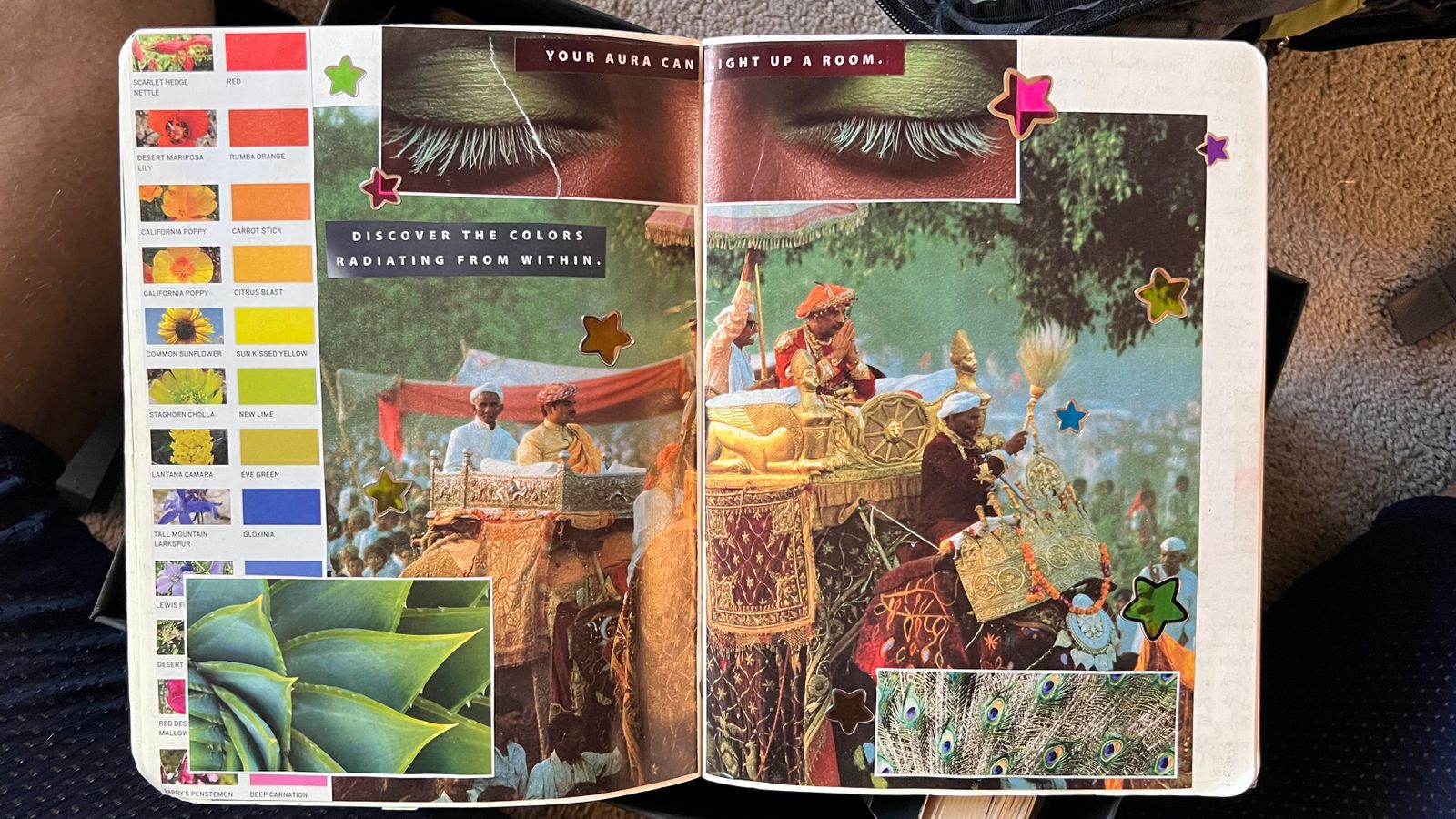
In our relentless pursuit of understanding, we often find ourselves pondering the nature of the present moment. What is "the now"? Is it a fleeting instant, or does it stretch into a broader continuum? The concept of time is flexible, molded by our perception and understanding. It isn't just a linear sequence but a complex tapestry where past, present, and future intertwine. This fluidity allows us to explore various dimensions of existence, pushing the boundaries of our curiosity.
David Whyte, who has extensively explored the conversational nature of reality, describes the present moment as the liminal space between what just happened and what is about to happen. This concept can be interpreted on a micro level, such as the fleeting moments in meditation when we observe thoughts, sounds, and sensations. It can also be understood on a macro level, encompassing larger life events like changing careers, going through a divorce, relocating, or redefining ourselves.
Euclid, often hailed as the "father of geometry," introduced us to a world where shapes and spaces were defined by logical axioms. This Euclidean perspective provided a foundation for understanding the physical world. However, when we look at geological time, the scope widens dramatically. Eons and epochs reveal a timeline far grander than human history, reminding us of our fleeting existence in the grand scheme.
Reality itself becomes a conversation—a dynamic interplay between the known and the unknown, between science and spirituality. It is through this dialogue that we uncover deeper truths about the universe and our place within it.
Perhaps it is astonishment that fuels our journey into the unknown, driving us to explore, question, and understand. This sense of wonder is ever-expanding, opening new vistas of possibility. However, the moment we begin to concretize knowledge—turning fluid understanding into rigid dogma—we risk losing the essence of discovery. This is the pitfall of of solidifying truth and knowledge that stifles growth and curiosity. True wisdom lies in remaining open, in embracing the subtle and the mysterious.
In her collection of essays, "Upstream," Mary Oliver beautifully captures the essence of longing for a profound connection with the universe. She writes, “Sometimes the desire to be lost again, as long ago, comes over me like a vapor. With growth into adulthood, responsibilities claimed me, so many heavy coats. I didn’t choose them, I don’t fault them, but it took time to reject them. Now in the spring I kneel, I put my face into the packets of violets, the dampness, the freshness, the sense of ever-ness. Something is wrong, I know it, if I don’t keep my attention on eternity. May I be the tiniest nail in the house of the universe, tiny but useful. May I stay forever in the stream. May I look down upon the windflower and the bull thistle and the coreopsis with the greatest respect.”
Oliver's words resonate deeply with the idea of dharma—a life of purpose aligned with the greater cosmic order. She speaks of shedding the burdens of adulthood to reconnect with a childlike wonder, a state of being that keeps her attuned to the eternal. Her desire to be "the tiniest nail in the house of the universe" reflects a humility and reverence for all life, a wish to remain forever in the flow of existence.
In the intersection of curiosity, faith, and science, we find a wide terrain of exploration and understanding. It is a journey that invites us to question, to marvel, and to remain open to the infinite possibilities that lie ahead. As we navigate this path, may we, like Mary Oliver, keep our attention on eternity and stay forever in the stream of wonder.
Roger Mckeever | JUN 30, 2024
Share this blog post
 OfferingTree
© 2026 SACRED TREMOR: discover what moves you